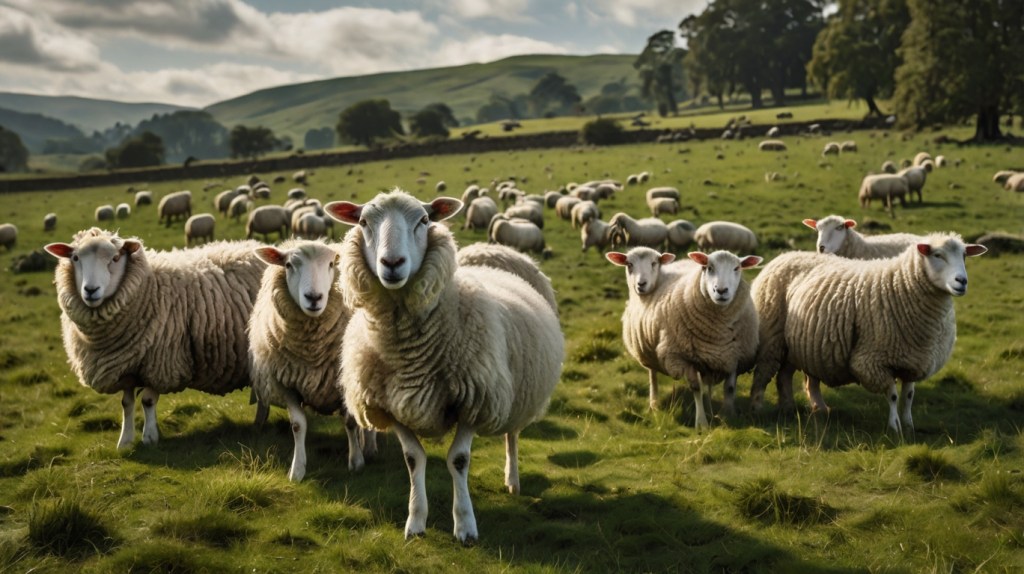
Remember 1996? While the Spice Girls were telling us what they really, really wanted, a woolly wonder named Dolly was about to shake the scientific world to its core. This wasn’t just any sheep bleating for attention; Dolly was the world’s first mammal cloned from an adult cell.
the clone wars: more than just a woolly dilemma
Dolly’s birth wasn’t just a leap for genetic science; it was a stepchange for our understanding of cellular biology. Suddenly, the impossible seemed possible. Could we recreate extinct species? Grow replacement organs? The possibilities seemed endless, and frankly, a bit terrifying depending on who you’d ask.
Governments and religious institutions rushed to respond, many calling for outright bans on cloning. It was as if Pandora’s box had been opened, and instead of hope, out flew a flock of ethically questionable sheep.
The birth of Dolly triggered a swift and widespread regulatory response. In 1997, President Bill Clinton issued an executive order prohibiting the use of federal funds for human cloning research.
“Any discovery that touches upon human creation is not simply a matter of scientific inquiry, it is a matter of morality and spirituality as well.”
-Bill Clinton
California promptly followed suit, passing legislation to ban human cloning, with Michigan enacting an even broader prohibition in 1998, outlawing cloning for any purpose.
Across the Atlantic, the UK Parliament passed the Human Reproductive Cloning Act in 2001, making it illegal to create a cloned human being. This stance was later nuanced by the Human Fertilisation and Embryology Act 2008, which permitted therapeutic cloning under stringent conditions.
On the international stage, the United Nations weighed in with its 2005 Declaration on Human Cloning, calling for member states to prohibit all forms of human cloning deemed incompatible with human dignity and the protection of human life.
This flurry of legislation underscored the global anxiety surrounding cloning technology and highlighted the challenge of balancing scientific progress with ethical concerns.
But amidst the panic, scientists saw potential. Therapeutic cloning could revolutionize medicine, offering tailor-made tissues and organs. Imagine a world where no one dies waiting for a transplant – that’s the promise cloning dangled before us.
the current state of cloning
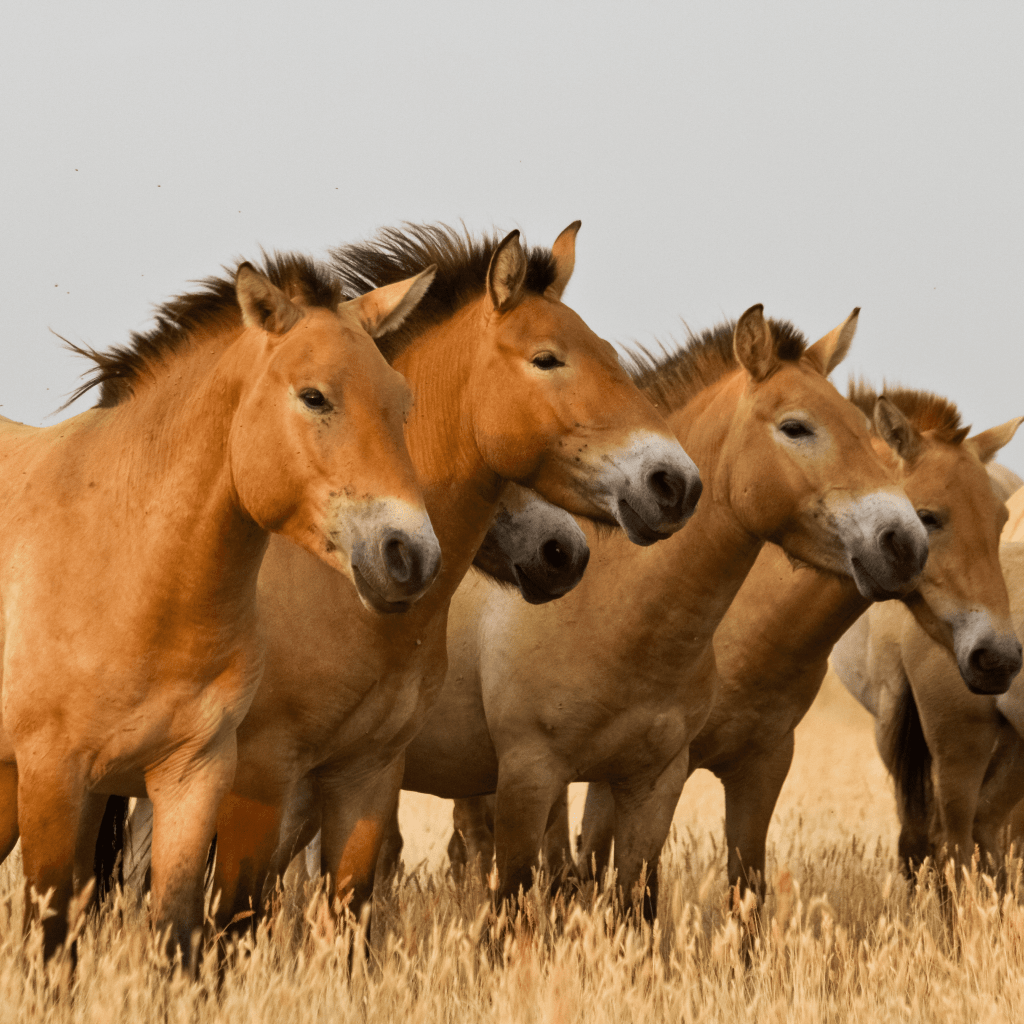
Today, cloning technology has advanced significantly. While human reproductive cloning remains largely banned worldwide, therapeutic cloning and animal cloning for research purposes continue. Scientists have successfully cloned numerous species, from cats and dogs to endangered animals like the Przewalski’s horse.
In medicine, researchers are exploring the use of cloned stem cells to treat diseases like Parkinson’s and diabetes. However, ethical concerns persist, particularly regarding the destruction of embryos in the process.
ai: the digital dolly
Enter AI, the modern-day equivalent of the cloning revolution. Like a digital Dolly, AI has bounded into our lives, promising to transform everything from how we work to how we think.
AI is everywhere, even if we don’t always realize it. It’s in our phones, our cars, and even deciding what shows up on our social media feeds. The question is, are we ready for it?
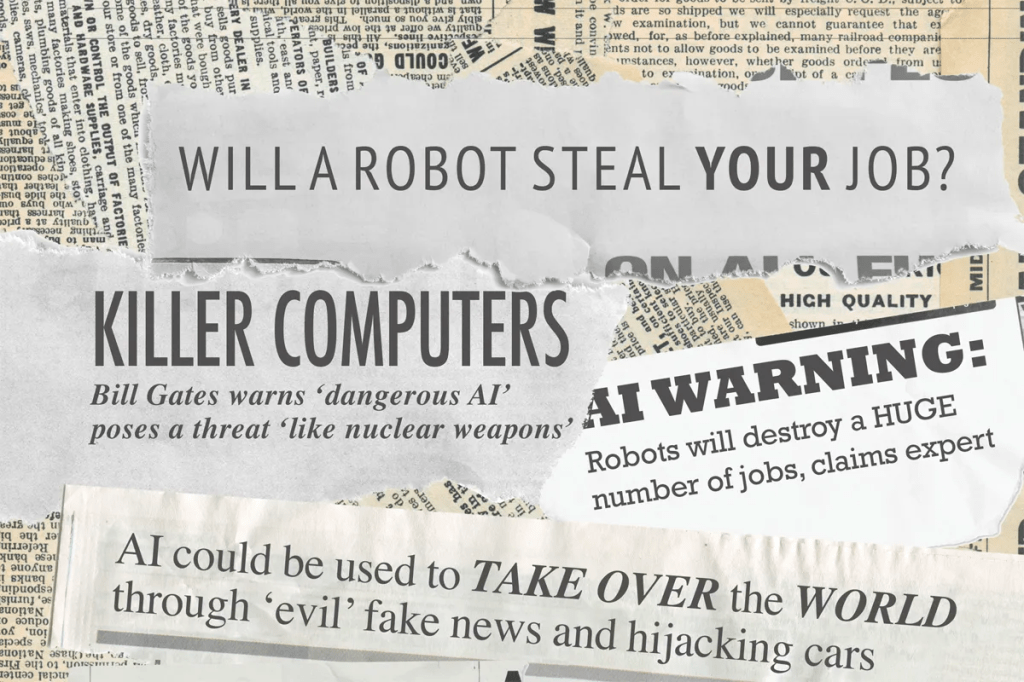
Just as with cloning, the rise of AI has sparked fear and fascination in equal measure. Will robots take our jobs? AI will become smarter than us, what does that mean?
the ai revolution: current breakthroughs and challenges
Recent years have seen remarkable advancements in AI. Language models can generate human-like text (like parts of this article), while AI-powered systems are making strides in fields from drug discovery to climate modeling.
However, these breakthroughs come with their own set of challenges. Bias in AI algorithms, job displacement, and concerns about AI-enabled surveillance are just a few of the issues society currently grapples with.
learning from the past, coding the future
The cloning debate of the ’90s offers valuable lessons for today’s AI discussions. Just as we grappled with the implications of creating genetic copies, we now face the challenge of creating digital minds, replicas, or clones of ourselves to live digitally after we die (S2:E1 of Black Mirror).
Yes, the key is “responsible innovation,” which is a term few can agree on. We need to move forward, but with our eyes wide open to the ethical implications. This means not just asking “can we?” but “should we?” It means considering the societal impact of our creations, not just their scientific merit.
Take deepfakes, for instance. This AI technology can create hyper-realistic video forgeries. Cool? Yes. Potential threat to democracy and privacy? Yes. It’s a stark reminder that every scientific advance comes with a side of ethical immediate, secondary, and tertiary effects (and likely more that only an AI would be able to figure out).
the intersection of AI and genetic engineering
As AI and genetic technologies advance, their paths are increasingly intertwining. AI is accelerating genetic research, helping scientists analyze vast amounts of genomic data and predict gene functions. This convergence could lead to breakthroughs in personalized medicine and our understanding of genetic diseases.
However, it also raises new ethical questions. Could AI-powered genetic engineering lead to designer babies? How do we ensure equitable access to these technologies? The last question is challenging, and might not even be the right question to ask, as to date no technology (or broader resource for that matter) has ever been distributed equitably.
the role of public engagement and education
As these technologies reshape our world, public understanding and engagement become crucial. Scientific literacy and ethical awareness need to keep pace with technological advancements. Universities, research institutions, and media outlets have a responsibility to foster informed public discourse on these issues.
global perspectives on regulation
Different countries approach the regulation of cloning and AI in vastly different ways. While some nations have strict bans on certain practices, others have more permissive policies. These differences reflect varying cultural, religious, and ethical perspectives.
For instance, while many Western countries have banned human reproductive cloning, China has taken a more lenient stance on genetic research. In AI, the EU’s AI Act, which passed in March 2024, contrasts with the more laissez-faire approach (thus far) in the US.
where do we go from here?
As we stand on the brink of these twin revolutions – genetic and digital.
Should we clone extinct species to restore lost biodiversity? Probably. Should we allow AI to make life-or-death decisions in healthcare or warfare? No, but it should have some input.
There are no widely agreed upon answers answers, but the questions themselves are pushing us to redefine what it means to be human in an increasingly artificial world.
The future isn’t set. Just as Dolly opened up new possibilities we hadn’t dreamed of, AI might lead us down paths we can’t yet imagine. The important thing is to approach these advances with wisdom, caution, and a healthy dose of wonder.
So, as we continue our scientific march forward, let’s remember the lessons learned from Dolly. In the end, it’s not just about what we can create, but about who we become in the process.

 unpublished alpha