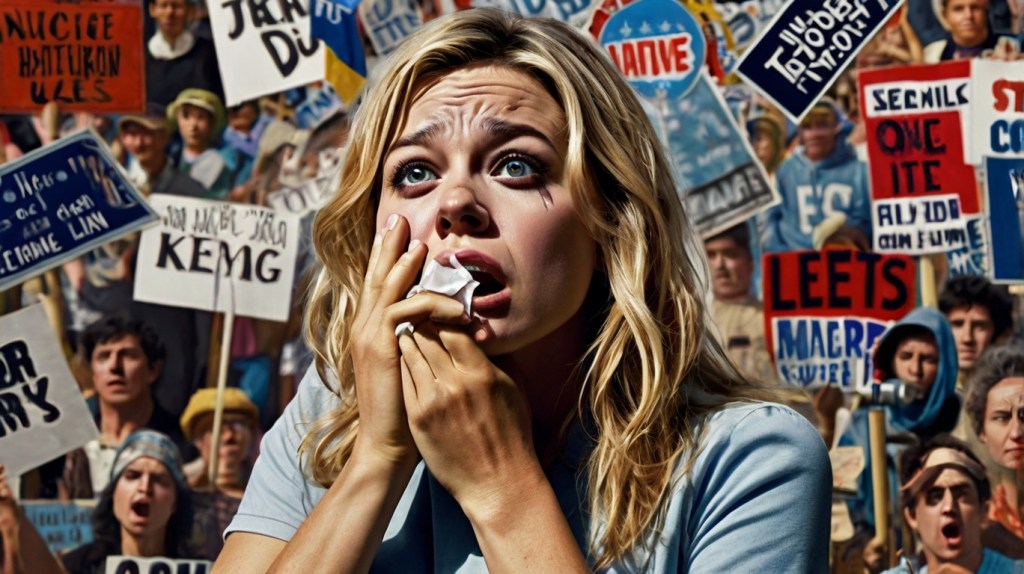
What do Andrew Dice Clay, Donald Trump, and Elon Musk have in common? They’re all not intentionally funny. What else? They were all protested by at least one cast member when they guest hosted “Saturday Night Live.” In the annals of late-night television, SNL stands as a cultural monolith—a crucible where comedy meets the zeitgeist and, occasionally, where dissent takes center stage. Discussing the efficacy and rights of SNL cast member protests isn’t about petty grievances or fleeting controversies; it’s about dissecting a microcosm of American free expression and its impact on one of the most influential TV shows of all time.
the backdrop: a history of dissent
SNL has never shied away from controversy. The show’s very DNA is woven with political satire and social commentary. But what happens when the controversy comes from within? Over the years, several SNL cast members have protested three guest hosts, a surprisingly small number given its nearly 50 year history.
There have been incidents without formal protests from cast members. For example, in 1991, Steven Seagal hosted “SNL” and was heavily criticized by cast members David Spade and Tim Meadows for his difficult behavior. Although no formal protest occurred, Seagal is frequently mentioned as one of the worst hosts in the show’s history.
each instance offering a unique glimpse into the intersection of personal ethics and professional obligation.
Take Adrien Brody’s unscripted Jamaican accent in 2003—a move that was less a protest and more an impromptu cultural faux pas that got him banned from the show. Fast forward to 2015, and we see a more calculated form of dissent when cast members openly objected to Donald Trump hosting the show. Trump’s appearance came amidst his polarizing presidential campaign, igniting a firestorm both inside and outside Studio 8H.
But these protests aren’t just relics of a bygone era. They echo a deeper question: Do SNL cast members have the right to protest guest hosts, and if so, does it even matter?
the right to protest
The First Amendment of the United States Constitution is the bedrock of American democracy, guaranteeing the right to free speech. But how does this translate within the professional sphere of a late-night comedy show? The cast members of SNL, while protected under the same constitutional rights as any citizen, operate within a corporate framework that often prioritizes ratings and viewership over individual expression.
This doesn’t mean protests are without merit. Consider the moral and ethical responsibilities that come with being a public figure. When SNL cast members protest a guest host, they’re not just making a personal statement; they’re leveraging their platform to highlight issues they believe are of public concern.
Yet, there’s a balancing act. The professional responsibilities of cast members include delivering a cohesive show, maintaining team dynamics, and respecting the decisions of the show’s producers. This was starkly evident when Nora Dunn refused to appear on an episode hosted by Andrew Dice Clay in 1990, citing his misogynistic humor. Musical guest Sinead O’Connor shared this sentiment and also refused to appear on the show. The episode aired without them, and while it sparked significant media attention, it did little to change the show’s direction or audience reception. Dunn’s stand was the first protest on the show, but it was not the last. It’s underscored the friction between individual conviction and collective responsibility.
In 2015, when Donald Trump, then a presidential candidate, hosted SNL amidst widespread protests, a few protested at the time. Cast member Taran Killam expressed regret over the episode after it aired, suggesting that giving Trump a platform legitimized his candidacy in a way that many felt was inappropriate for a comedy show known for its liberal leanings. This incident underscores the tension between SNL’s role as an entertainment program and its implicit political influence.
efficacy of protests
The effectiveness of these protests can be measured on several fronts—public perception, policy changes, and career impacts. When Donald Trump hosted in 2015, the backlash was immediate and widespread. Critics lambasted SNL for providing a platform to a controversial figure, yet the episode drew the show’s highest ratings in years. Did the protests matter if they didn’t affect the bottom line? Maybe they actually helped boost the ratings, making the protest work in an unintended manner.
On a more granular level, protests can influence internal policies and future guest selections. While SNL hasn’t publicly overhauled its guest selection criteria, the internal discourse and media scrutiny surrounding controversial hosts inevitably shape future decisions.
Career-wise, the repercussions for protesting cast members vary. While some, like Dunn, faced temporary career setbacks, others, like Aidy Bryant and Cecily Strong, who subtly protested Trump’s appearance, continued to thrive. It’s a testament to the complex ecosystem of SNL, where protest is both a risk and a statement.
ethical considerations
Protesting guest hosts on SNL isn’t just about making noise; it’s about navigating the ethical landscape of modern entertainment. Cast members must weigh their personal beliefs against their professional duties, a dichotomy that often leads to soul-searching decisions.
This ethical dilemma was brought to the fore in May 2021, when Elon Musk was announced as the host. Musk, the CEO of Tesla and SpaceX, is a polarizing figure known for his unconventional behavior and controversial statements. His hosting gig led to internal unrest, with cast members such as Aidy Bryant and Bowen Yang expressing their displeasure through social media. Bryant shared a Bernie Sanders tweet criticizing the wealth inequality exemplified by billionaires like Musk, while Yang posted a cryptic Instagram story questioning why Musk was hosting. Despite the backlash, the episode went ahead, pulling in high ratings but leaving a divided cast and audience in its wake. I wonder how many of the cast drive Teslas?
This does appear to be a slippery slope of subjective morality. These ethical quandaries are not new. They mirror broader societal debates about the role of public figures in shaping cultural norms. When SNL cast members protest, they’re participating in a larger dialogue about accountability and the power dynamics within the entertainment industry.
ethical dilemmas of hosting controversial figures
Critics of cast member protests often argue that SNL’s legacy is built on hosting a diverse array of figures, including the controversial ones. The show’s tradition of satire and irreverence arguably requires engaging with contentious personalities. Furthermore, some posit that viewers expect SNL to be a platform for varied perspectives, even if they’re uncomfortable.
This perspective isn’t without merit. The very essence of satire is to challenge, provoke, and entertain. Removing controversial figures from the equation might dilute the show’s impact. Yet, this doesn’t negate the cast members’ right to express dissent. It merely complicates the narrative.
conclusion: the future of dissent on snl
The protests by SNL cast members against guest hosts are a testament to the evolving dynamics of free speech and professional responsibility. They highlight the tension between individual ethics and collective goals, a theme that resonates beyond the confines of Studio 8H.
As the landscape of entertainment continues to shift, with increasing emphasis on social responsibility and ethical behavior, the role of protests within SNL will likely evolve. Cast members have the right to protest, and these actions, while complex, contribute to a necessary dialogue about the values we uphold in public discourse.
In the end, whether these protests are effective isn’t just a question of ratings or public opinion—it’s about the ongoing struggle to balance the scales of justice, humor, and free expression in an ever-changing world. And as we navigate this terrain, one thing remains clear: the right to protest is as integral to SNL’s legacy as the laughs it delivers every Saturday night.
 unpublished alpha