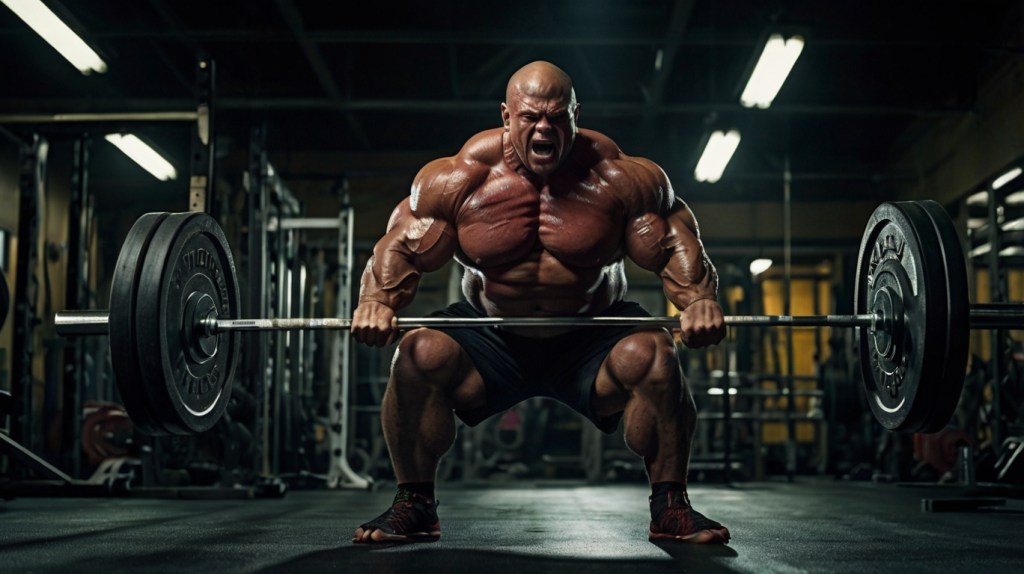
More than half of the 16 global powerlifting leagues today don’t test for steroids. That’s not the surprising part. The surprise is how many leagues exist at all. Of the seven leagues that do test for banned substances, none rely on the same protocols. It’s as if the sport collectively decided, “Let’s all have rules, but let’s make sure they’re completely different.”
This fragmentation raises an existential question (almost no one asks): what is powerlifting even trying to be?
At its core, powerlifting is a brutally simple pursuit: three lifts—squat, bench press, and deadlift—that test the limits of human strength. It’s not about agility, speed, or artistry. It’s just you, gravity, and iron. The appeal lies in its rawness, its purity. But with 16 leagues vying for lifters, legitimacy, and attention, the simplicity starts to crumble.
Take the International Powerlifting Federation (IPF), arguably the most prestigious of the tested leagues. The IPF enforces strict drug testing protocols through partnerships with the World Anti-Doping Agency (WADA), aiming to maintain a level playing field. Compare that to the United States Powerlifting Association (USPA), which offers both tested and untested divisions. Or the World Powerlifting Congress (WPC), which leans toward inclusivity by embracing lifters who prefer fewer restrictions, including no drug testing.
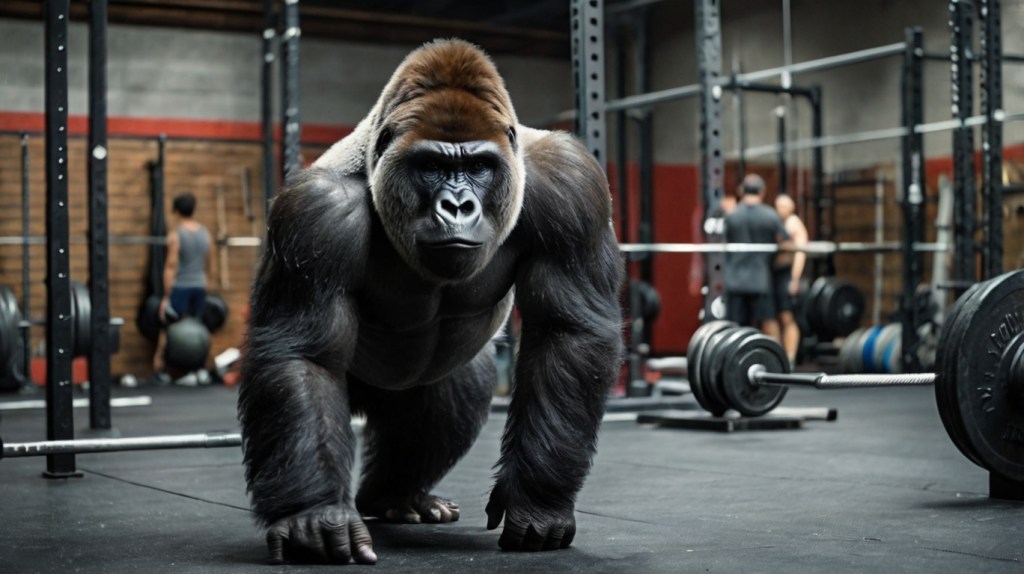
On the other end of the spectrum are leagues that openly cater to lifters who use performance-enhancing drugs. In untested organizations, steroids are the 800-pound gorilla squatting in the corner, unacknowledged but fully present. These leagues argue that lifting is about maximum performance, and PEDs are just another tool in the lifter’s arsenal.
The statistics underscore this divide: according to a 2021 survey of competitive lifters, 58% of participants across all leagues believed steroids should be allowed, but only 26% of those in tested leagues shared that view. The split isn’t just philosophical—it’s generational, cultural, and personal.
the role of equipment
Steroids might be the most divisive topic, but they aren’t the only factor splintering the sport. Specialized equipment—like multi-ply suits, which allow lifters to move heavier weights—introduces another layer of complexity.
Some leagues permit these suits, knee wraps, and other performance-enhancing gear. Others, like the IPF, stick to “raw” lifting, which limits equipment to a basic belt, wrist wraps, and knee sleeves. The debate is philosophical: is a multi-ply suit comparable to steroids, or is it more like wearing cleats on a muddy field—a reasonable adjustment to maximize performance?
This raises an uncomfortable parallel. If we accept one form of assistance, like a deadlift bar with more whip or a bench press shirt that rebounds weight, why draw the line at PEDs? At what point does “enhancing performance” compromise the integrity of raw strength? The sport has yet to agree.
Beyond steroids and equipment, the sheer number of leagues creates another problem: a patchwork of standards and records. What constitutes a “clean” lift? How deep should a squat be? Should a deadlift allow hitching (where the bar rests on the thighs)? Each league answers these questions differently.
For lifters, this means a title or record in one federation might carry little weight (pun intended) in another. Imagine being crowned the “World’s Strongest Deadlifter” in one league, only to have lifters in another say, “Yeah, but your bar had more flex.” The proliferation of leagues creates opportunities for athletes but dilutes the prestige of records and titles.
This splintering reflects a broader tension in niche sports: inclusivity versus legitimacy. More leagues mean more lifters can compete, especially those who don’t fit neatly into traditional molds—whether they prefer untested environments, multi-ply gear, or looser judging standards. But with more options comes less cohesion. Without a unified governing body, powerlifting risks losing its identity.
Consider this: even baseball, a sport with over a century of tradition, can’t agree on something as fundamental as the size of the field. Yet Major League Baseball has the advantage of being “the” league for the sport. Powerlifting doesn’t have that luxury. Its fractured structure makes it accessible but limits its potential for global recognition.
Powerlifting’s identity crisis might seem trivial—a sport of niche appeal grappling with niche problems. But it’s emblematic of a larger conversation about what sports should be. Should they prioritize accessibility and inclusivity, or preserve legitimacy and elite standards?
For powerlifting, the answer remains unresolved. Maybe that’s okay. After all, its appeal lies in its rawness—the idea that anyone can step up to the bar, load the plates, and see what they’re made of. That ethos doesn’t need a governing body, just an iron will.
Still, the question lingers: can a sport thrive when it can’t agree on what “strong” even means? Or is it doomed to forever hold a squat in the shadow of its contradictions?
 unpublished alpha