I ride to work in a driverless car, its sleek efficiency whisking me through the streets of San Francisco, where technology isn’t just embraced—it’s expected. Yet, as I return home to my century-old apartment, I’m reminded of the city’s odd contradictions. There’s no garbage disposal in my kitchen, no in-unit washer and dryer. In a city that thrives on innovation, why does its infrastructure feel stuck in the past?
The absence of garbage disposals in San Francisco isn’t just a quirk of urban living; it’s a story of historical plumbing, environmental regulations, and priorities that diverge from the modern convenience many take for granted. Understanding this contradiction requires peeling back the layers of the city’s unique approach to waste management and the challenges that come with retrofitting a place built for a different era.
a historical backdrop
Garbage disposals entered American homes in the 1940s, after being invented by the InSinkErator company in 1927. By the postwar boom of the 1950s, these devices had become synonymous with modern living, offering a way to grind food waste directly into household plumbing. By the 1970s, garbage disposals were a fixture in most new homes, particularly in suburban developments where pipes and wastewater treatment systems were built with their use in mind.
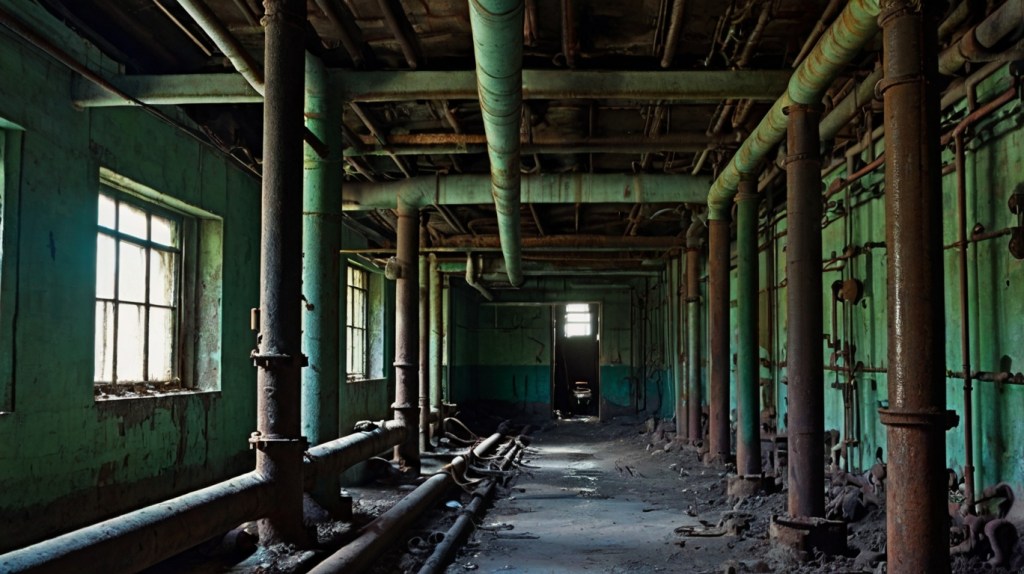
San Francisco, however, was never a typical American city. Much of its housing stock dates back to the early 20th century, built long before disposals were even conceived. The plumbing in these homes, made from cast iron or galvanized steel, wasn’t designed to handle the additional strain of pulverized food particles. Over time, the abrasive waste could corrode pipes, clog narrow systems, and even cause catastrophic leaks. Modern plumbing materials like PVC, which can withstand the rigors of disposals, were decades away.
plumbing and electrical obstacles
For landlords of older buildings, installing a garbage disposal means more than just adding an appliance. It requires extensive upgrades to plumbing and electrical systems. Pipes need to be replaced with modern materials to prevent clogging or breakdowns. Additionally, disposals require dedicated 15- or 20-amp circuits, which many older buildings lack. Electrical panels may need to be upgraded, wiring redone, and outlets or switches added to accommodate the new load.
The cost? Significant. Retrofitting an apartment for a garbage disposal can range from $7,000 to $14,000 per unit, factoring in both plumbing and electrical work. Multiply that across hundreds of units, and you understand why landlords often balk at the idea.
environmental concerns and a unique sewer system
San Francisco’s resistance to garbage disposals is also a matter of sustainability. The city relies on a combined sewer system, which handles both stormwater and household wastewater. During heavy rains, this system is pushed to its limits, risking overflow and untreated sewage discharges into the Bay. Adding organic waste from disposals increases the biological load on treatment facilities, consuming more energy and resources to process.
Instead, San Francisco has leaned heavily into composting. The city’s Zero Waste by 2020 initiative, introduced in 2002, emphasized diverting food scraps from landfills and wastewater systems. Residents are required to separate compostable materials, and landlords must provide bins for food waste. This approach aligns with California’s broader environmental goals, including water conservation efforts during the state’s frequent droughts, as using a garbage disposal increases household water consumption.
a tale of two cities
San Francisco’s approach contrasts sharply with New York City’s, which banned garbage disposals from the 1970s until 1997 due to concerns about its antiquated wastewater system. After studies revealed that disposals wouldn’t overwhelm treatment plants, the ban was lifted, and installations surged across the city. Today, many New York apartments boast garbage disposals, a convenience that residents (myself included) in San Francisco still largely go without.
Clearly, the adoption of garbage disposals varies significantly by region, reflecting differences in infrastructure and waste management practices. As of 2009, 50% of homes in the United States were equipped with disposal units, a stark contrast to just 6% in the United Kingdom and 3% in Canada, where regulatory and environmental considerations often limit their use.
the innovation paradox
San Francisco’s reluctance to embrace garbage disposals is emblematic of a larger tension within the city—a place that celebrates cutting-edge technology but struggles to retrofit its historic infrastructure (besides for earthquakes). Driverless cars may glide through its streets, but beneath the floorboards of its iconic Victorians, old plumbing and city regulations continue to shape daily life.
The trade-off is a lesson in priorities. Where other cities lean on disposals to modernize waste management, San Francisco has built a culture of composting that reduces landfill waste and lightens the burden on its aging sewer system. It’s a deliberate choice, rooted in environmental stewardship and the realities of maintaining a city built for a different time.


 unpublished alpha