
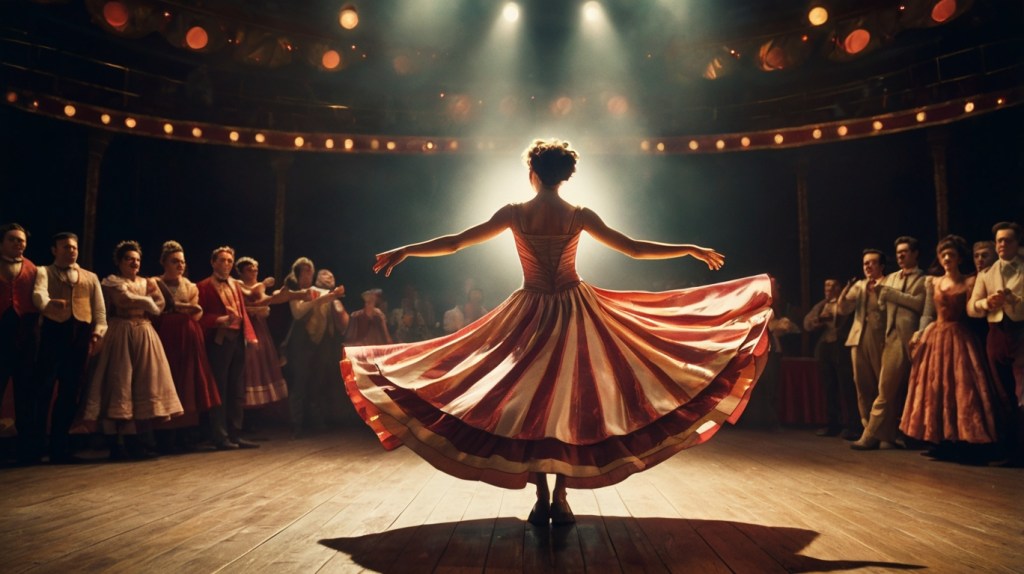
If you grew up thinking fire at the dinner table was the sign of a restaurant gone horribly wrong, then you have never been properly introduced to the theatre of the flambé. Steak Diane, that mid-century icon, is the dish that first taught me the difference between panic and performance. You hear the sizzle, you see the flash, and for a brief moment you feel like the chef has turned your dinner into a stage show.
Steak Diane, named after Diana, the Roman goddess of the hunt, in its heyday, was a performance as much as a meal. Thinly pounded beef tenderloin, seared quickly, then bathed in a sauce of butter, shallots, Dijon, Worcestershire, and cream—before being set alight with brandy tableside. In the 1950s and 60s, it was what you ordered if you wanted to impress a date without straying too far into the strange. You got richness, you got drama, and you got a whiff of danger, all without leaving the dining room.
The science behind the drama is less romantic. Alcohol ignites because its vapours catch fire at a much lower temperature than water boils. When you splash cognac or rum into a hot pan and touch a flame to it, the vapours go up in a brilliant blue flare, burning off most of the alcohol but leaving behind the aroma. You are not meant to cook the meat with fire—it’s more of a final bow than part of the plot.
Flambé has other stars. Bananas Foster, invented at Brennan’s in New Orleans, takes humble bananas and turns them into a dessert people were willing to photograph before the age of Instagram. Cherries Jubilee is flambé’s flirtation with royalty, invented for Queen Victoria. Crepes Suzette is perhaps the most famous—a sweet crepe, a butter-sugar-orange sauce, a splash of Grand Marnier, and a quick ignition that transforms breakfast into theatre.
And while you might think of these as relics from an era of silver cloches and cigarette smoke in the dining room, flambé is quietly returning. Why? For the same reason vinyl records came back: ritual. In a dining landscape where speed and efficiency are the selling points, flambé offers a pause. It’s an act that forces everyone to look up from their phones.
There’s also a primal satisfaction to controlled fire. Somewhere in the back of your brain, the part that first learned to cook over a flame in a cave perks up and says, yes, this is the way. Even if that flame is now coming off a small saucepan held by a chef with sleeve tattoos and a stainless steel cart.
Of course, the comeback is different. You might see a modern steak Diane with Japanese wagyu instead of domestic tenderloin. The sauce might have yuzu or miso in place of Dijon. The flambé might use mezcal instead of brandy, for that whiff of smoke. Dessert might be a tableside flambéed pineapple with chili sugar and tequila. It’s still about theatre, but the script is looser now.
The trouble is, flambé’s main ingredient: Risk! is harder to sell these days. Open flames at tables are a liability in ways they weren’t in 1965. Restaurants have to weigh the Instagram value against the insurance premium. That’s partly why the home cook has an opening here. If you have a decent stovetop, a long-handled lighter, and some brandy, you can make steak Diane in 20 minutes. And when you set that pan alight, you will feel, for just a second, like you’ve brought the world’s oldest magic trick into your kitchen.
The secret to pulling it off is knowing that the fire is never the point, it’s the punctuation. Without the sauce, without the sear, you’ve just got a pan of burning booze. With them, you’ve got a dish people will talk about long after dessert. And the same is true for Bananas Foster, Cherries Jubilee, or whatever you decide to set alight. The fire gets them to look up. The flavour makes them remember.
So maybe the flambé is less about nostalgia and more about connection. In an age where we can order food without speaking to anyone, here’s a dish that can’t happen without human presence. The chef is there. You are there. The flame is there. The moment is gone in seconds, but that is exactly why it works.
 unpublished alpha