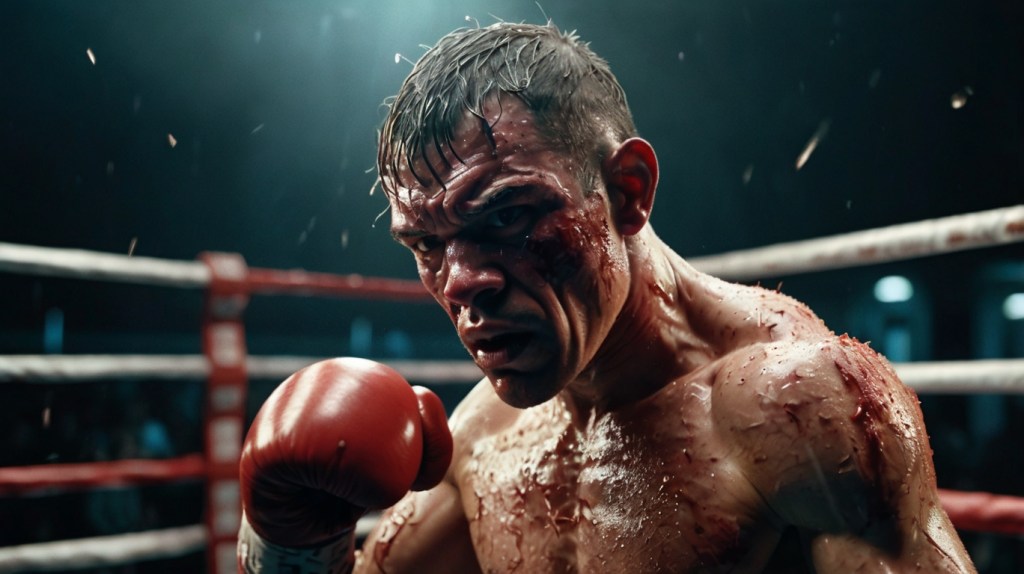
I was watching the Canelo Álvarez vs.Terence “Bud” Crawford fight last night, and it was insane how good Canelo’s chin was. He absorbed punches that would have put most fighters down, and the crowd roared every time he walked through another shot. That toughness is part of the mythology of boxing: the iron jaw, the granite chin, the warrior who won’t go down.
But while the cameras linger on the spectacle, what struck me is how rarely the conversation lingers on what comes after. CTE (chronic traumatic encephalopathy) isn’t part of the marketing package. In football it’s now unavoidable, but in boxing it feels almost unmentionable. Maybe because the damage is too obvious: no helmets, no pads, no elaborate protective gear. Just fists and faces. The sport doesn’t hide its violence.
The paradox is that helmets in football don’t prevent concussions; they may even encourage harder hits. Yet the NFL has at least been forced into the spotlight with research centers, lawsuits, rule changes, concussion protocols. That scrutiny is good. It may be late, but it’s movement. Boxing never had its version of that reckoning. The old term was “punch-drunk syndrome,” and you can still see it in archival interviews with retired fighters. Slurred speech, memory gaps, tremors. It’s the same disease by another name.
What’s chilling is that CTE can’t be definitively diagnosed until autopsy. Former boxers who donate their brains often show the same tau protein tangles found in football players. Studies suggest as many as 40 percent of long-time fighters display symptoms while still alive. Yet the sport keeps building toward ever bigger, flashier events.
So where does it go from here? Tech will inevitably play a role. Better imaging may give fighters living diagnoses. Smarter gloves or head sensors could monitor damage in real time. But the deeper change will be cultural. Football is proof: once the risks become undeniable, public appetite starts to shift. The NFL is still wildly popular, but the conversation around safety has permanently changed. Boxing will get there too, even if it resists.
And yet—there’s something primal that keeps people watching. Fighting sports have actually grown in popularity, in part because savvy promoters have learned how to package them into global entertainment products. The UFC, Jake Paul’s crossover fights, billion-dollar streaming deals: the business side is sharper than ever. The very forces that should be shrinking the sport are making it bigger.
That’s the paradox. On one hand, culture is moving toward valuing safety, transparency, and long-term health. On the other hand, there’s an innate pull to watch two people test the limits of endurance and pain, and there are powerful business interests willing to meet that demand.
The spectacle of resilience—Canelo standing tall after Bud’s best shots—exists on borrowed time. The very thing we celebrate in the moment is what corrodes fighters’ futures. And unlike football, where violence is dispersed across 22 players, in boxing it’s concentrated, unrelenting, and personal.
It’s good that football is getting looked at. The science, the lawsuits, the cultural pressure, that all matters. Boxing will face its own version sooner or later. Because the punches you don’t see, or don’t want to see, are the ones that change everything.



 unpublished alpha